 Brick & Mortar
How It's Made · Step 11 of 27
What the AI did, what it did not, and where the humans decided
aihonestyprocess

Steam asks developers to describe how they used generative AI, and on 13 October we sat down to answer those questions properly. This step is that answer, written for players. It is the longest list in the project, and it should be.
The short version: this game is made by one person directing a lot of AI tools, and we want you to know exactly which tools did which job.
What each tool did
| Area | Tool | What it did | What a person did |
|---|---|---|---|
| The game's code (about 120,000 lines of C++, about 500 scripts) | Claude (Claude Code, Opus and Sonnet models) | Wrote, tested and fixed it, in roles set up by the owner | Decided what to build, played every build, gave every verdict |
| LEGO models, maps, sound effects | Claude, through scripts | Models are Python scripts placing LDraw parts; maps and many sound effects are generated by code | Approved or rejected each model from a review board |
| Story, briefings, in-game text | Claude (a writer role) | Drafted versions and lines | Chose the cast, the plot and the tone; cut and approved everything |
| Storyboard frames and cutscene video | Grok Imagine | Made the pictures and the video clips from our prompts | Wrote the direction, chose frames, edited the timeline in DaVinci Resolve |
| Voices in cutscenes and briefings | ElevenLabs | Speaks the lines in voices that are either designed from a text description or standard library voices. None is cloned from a real person | Wrote and chose the lines and delivery; a re-record is planned after picture lock |
| Interface crests, icons and some images | ChatGPT image generation | Drafted them | Chose and approved them |
| Some music | Suno | Made some songs | Chose them. The rest is licensed library music |
| The final logo | Human-approved asset | - | Chosen and approved by the owner. The brand kit on this site is derived from it |
Two more honest lines. Early announcer and unit lines used Windows' built-in text-to-speech as placeholders, and we are replacing them. And the game generates nothing with AI while you play: the computer opponent is ordinary scripted code, and the game makes no calls to any AI service.
Where the human decided
A list of calls that were never the AI's:
- Every model. Claude proposes a build, the owner says yes or no. We stop iterating where the owner stops.
- The story's direction. The two commanders, the feud, the tone. Claude drafted and polished; the owner steered. More in a later step.
- The look. Only the LEGO is stylised. That is the owner's line.
- Which cutscene clips go in. One take per shot, accepted or redone by the owner's eye.
- Tone of the humour. The owner cut jokes that made the villain a joke.
- Fun. An AI can run ten thousand scripted games. It cannot tell you whether the sixth minute is boring. The owner and friends play every build.
What the AI did not do
- It does not sign in, pay, or accept a licence. The project rule is free assets only; never buy anything, never enter credentials, never click a captcha. Where a licence box needs clicking, a person clicks it.
- It does not publish. Builds are uploaded by the owner, not by an agent.
- It does not check its own taste. It will happily make forty of something and say all of them look good.
What went wrong
- A voice caveat. Speech generated on a free plan is non-commercial. Our notes say to regenerate any line that predates the paid plan. That is a check, not an assumption.
- A missing inventory. For the first ten days we did not keep a list of AI-made content. On 25 September a tracker role audited the repository file by file, using each file's own metadata, and produced one. It found items we had forgotten.
What we would do differently
- Keep the inventory from day one. One table, one row per AI-made thing, updated when it is made.
- Name the tool in the commit. Our commits carry a trailer naming the Claude model that wrote them. We should have done the same for images and audio.
Try it yourself
Write the table above for your own project before someone asks you for it. Then ask whether each cell is true.
Next: Fifty levels from a generator, and the week's rules for agents (14 October 2026)
Related steps

Cutscenes - Unreal puppets, then Grok Imagine, then DaVinci
We tried to build the cutscenes inside the game with LEGO puppets, then chose AI video for them and assembled everything in DaVinci Resolve. What each cost, what each gave, and a plain statement that the clips are AI-generated.
How to vibe code a real game with Claude
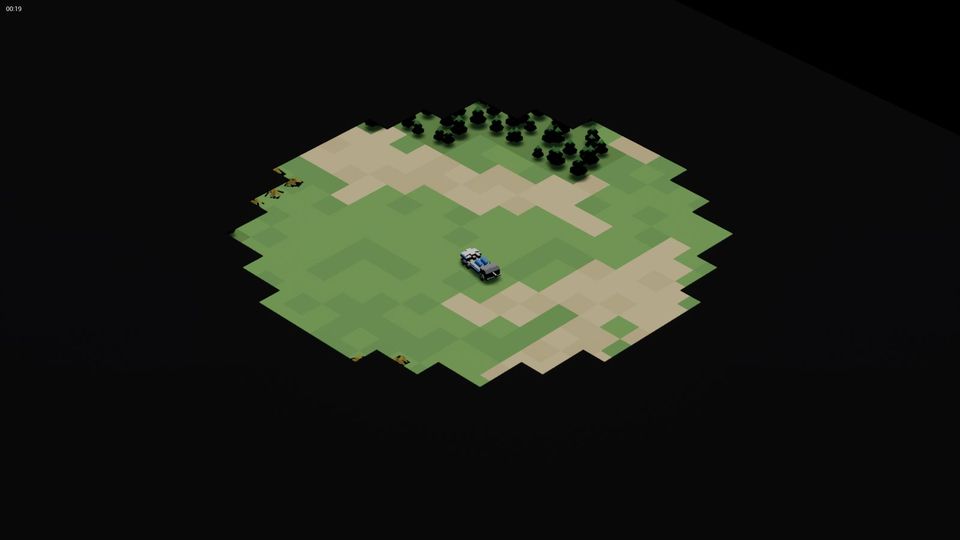
One person, Claude and 2,240 commits in five weeks. The ten habits that kept a vibe-coded game from falling apart, with the numbers and the scars behind each one.
Vibe coding Blender
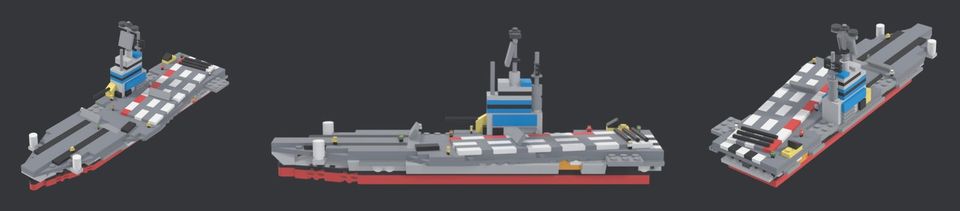
Every unit in the game is a Python script that places LEGO parts in Blender. How we drive it with Claude, how a model is checked against a reference, and what failed.
Written afterwards from our project notes and commit history; dated to when the work happened.